
Future of Work in Manufacturing Part 4: Future Trends and Workforce Preparedness
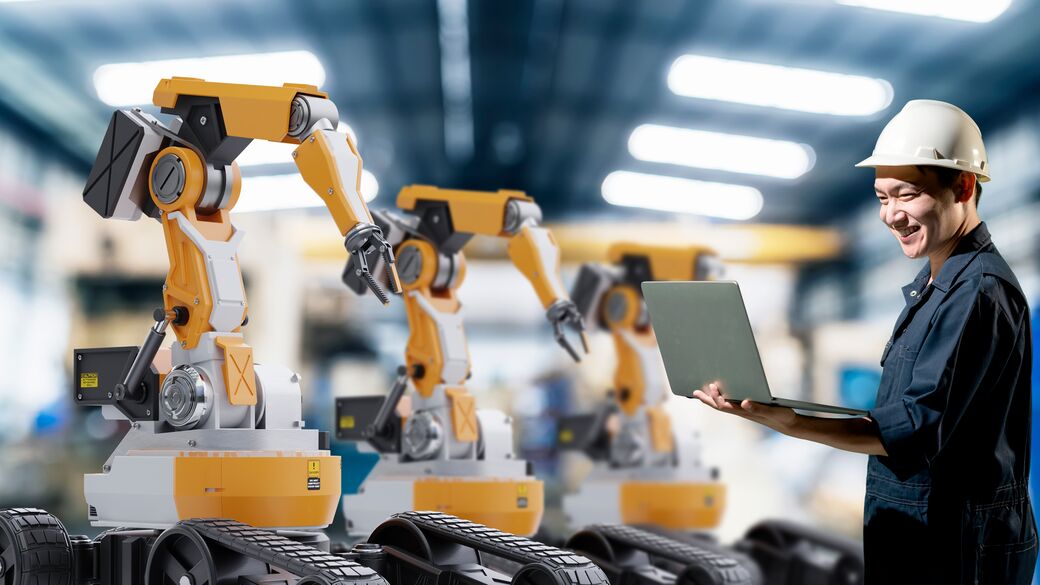
With rising AI and automation, manufacturing leaders must ready their workforce for a future of change. Planning ahead boosts efficiency, productivity, modernization, and employee engagement.
Shifting Perceptions of Automation in Manufacturing
In 2024, 73% of manufacturing managers expected their jobs to change due to automation, up 2% from 2023. Conversely, only 53% of workers anticipated job changes in 2024, marking an 11% decrease from the previous year. This decline suggests that workers are becoming less concerned about automation's immediate impact on their roles, possibly due to a reduction in AI-related fears or a growing understanding of how automation can enhance rather than replace their work. Managers, closer to decision-making, remain more attuned to these shifts.
Automation

Surging Turnover Concerns Among Managers
39% of manufacturing workers reported an increase in turnover according to our 2024 survey, a 6% decrease from 2023. Conversely, the percentage of managers noting increased turnover surged from 22% in 2023 to 47% in 2024, a significant 25% jump. This divergence highlights differing perceptions or experiences with workforce stability, suggesting that while workers may feel slightly more secure, managers are increasingly concerned about retaining talent.
Turnover Increasing


Kerrie Jordan, Chief Marketing Officer at Epicor, leads the global go-to-market efforts, bringing together her deep product innovation and strategic marketing experience to drive brand growth and customer engagement across the make, move, and sell industry communities.